









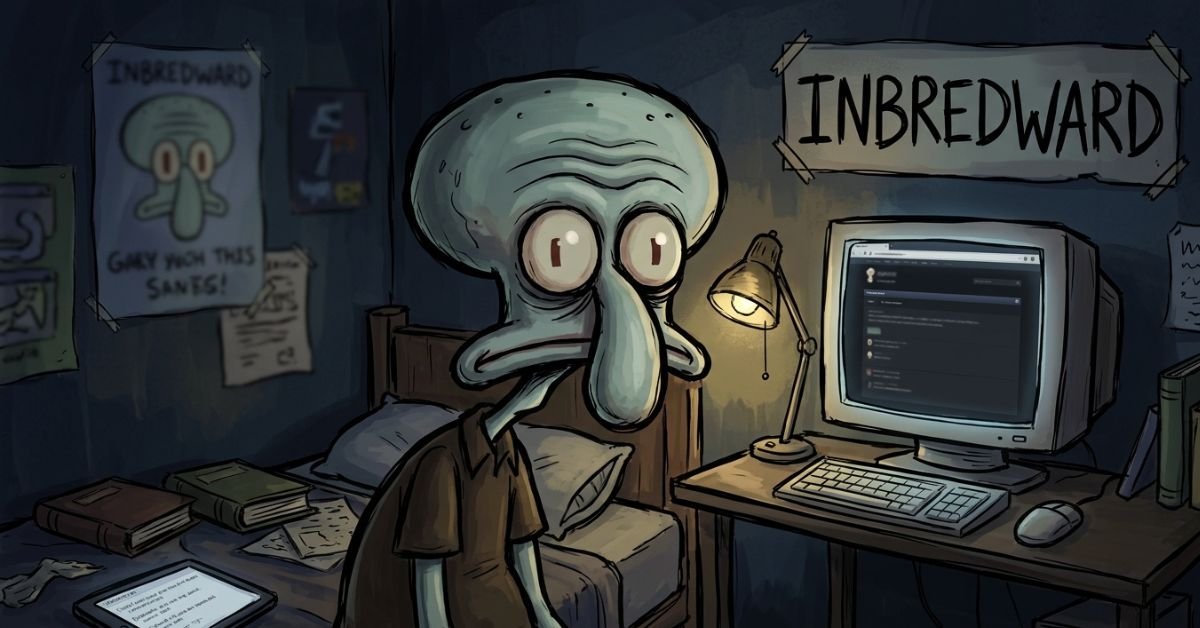
Introduction to the term Inbredward
Have you ever come across a word that really gets you thinking? For example, “inbredward” is one such word. It’s more than just a strange string of letters; it has significance, background, and societal ramifications. By peeling back the layers of this fascinating term, we can learn its history, current meaning, and where it came from. Understanding inbredward goes beyond superficial information, because to misconceptions and its status on social media sites. All set to discover? Alright, let’s begin!
The history and origin of Inbredward
The term “Inbredward” first appeared online in the early 2000s. People started identifying it with a particular archetype—a comically clumsy person—on different forums, and it took off from there.
The name is a funny combination of the words “inbred,” meaning a lack of genetic variety, and “Edward,” meaning a character that appears in memes but isn’t actually a real person. Anxieties associated to illiteracy or backwardness are brought to light by this fusion.
Despite its comedic origins, Inbredward has become much more than a punchline. It became contentious and thought-provoking as the character’s presentation went beyond simple ridicule to include multiple conversations about societal standards and conduct.
Twitter and TikTok were early adopters, and their use changed the way people interacted with cultural references to intelligence and identity.
Misconceptions and stereotypes surrounding the term
Many people’s perceptions of “inbredward” are skewed. A lot of people have a limited view of persons who are categorized as such because they link it with being ignorant or backward. This generalization ignores the nuanced nature of people beyond the literal meaning of words.
It is common for people to form hasty judgments based on superficial factors. They fail to note that an individual’s identity is shaped by their different experiences. Assigning a generic description to any individual is detrimental and deceptive.
In addition, the term “inbredward” has the potential to cast a negative light on marginalized groups. Instead of fostering understanding, it fosters an us-versus-them mentality.
Negative opinions are reinforced without context when personal stories and accomplishments are ignored by these stereotypes. Actually, no matter how society classifies them, every single person possesses admirable traits.
The impact of social media on the popularity of Inbredward
The emergence of the term “Inbredward” is mostly attributable to social media. Mesmas and other forms of viral content can quickly gain traction, bringing previously obscure phrases to the attention of new audiences.
Users are able to communicate their comedic or satirical perspectives on a wide range of topics on platforms such as Instagram, Twitter, and TikTok. The infectious melody and divisive meaning of Inbredward made it an accessible target.
Some influential people use it as a slang term for specific stereotypes. Despite the potential for misunderstandings, this exposure might spark discussions regarding heredity and cultural standards. Our definition of this term is always changing in response to the dynamic nature of internet discourse.
Though occasionally inflated by hyperbole or misconceptions, awareness rises with every tweet or post that mentions Inbredward. The way online communities influence linguistic patterns while also casting doubt on long-held assumptions about fundamental questions like genealogy and self-identity is fascinating.
Controversies surrounding the use of Inbredward
There have been passionate discussions around the word “Inbredward” on many different platforms. Some feel it does more harm than good by encouraging people to be defined by negative characteristics, such as how they look or act.
A lot of people think the word is more used to bully people than to promote understanding. In addition to reinforcing unfavorable views, the casual usage of such words can drive a wedge amongst already-disadvantaged groups.
Its proponents insist that, in some quarters, it’s only a joke. They find it humorous because it emphasizes quirkiness. But everyone has their own sense of humor, and what some find hilarious could really irritate other people.
By amplifying these debates, social media facilitates the normalization of potentially harmful language and its quick dissemination. Discussions surrounding this vocabulary frequently illuminate more systemic problems with diversity and inclusion.
Many are calling for more deliberate language choices as conversations progress in an effort to make environments inclusive for all people.
The evolution of Inbredward in popular culture
Over the years, Inbredward has become an integral part of internet culture. It quickly gained acceptance across many platforms after initially being used in limited communities.
The name Inbredward became the subject of memes that frequently mocked the term’s preconceptions. These memes sparked conversations on social norms and identity via their combination of humor and criticism.
Films and TV shows started making references to Inbredward, further complicating its meaning. People who took on this identity became icons for those who were social misfits or who were just misunderstood.
Discussions about media portrayal were also sparked by the word. Inbredward evolved from a parody into a commentary on acceptance and individuality as the artists delved into varied personalities.
Even as it changes, Inbredward is still a fascinating aspect of the conversation about diversity and inclusion in popular culture.
Conclusion: Embracing diversity and avoiding harmful labels
Discussions around the word “inbredward” prompt introspection on our own beliefs and principles. Recognizing and appreciating our differences, rather than using derogatory terms that reinforce preconceptions, is at the heart of diversity.
In a world where social media is having an ever-increasing impact, it is crucial to comprehend the meaning of words. Misunderstandings are common due to the fact that online platforms magnify both good and bad connections and storylines. Even though the name has changed, it still has a big influence.
It is essential to cultivate an inclusive atmosphere as we traverse cultural transitions. In doing so, we foster a more diverse and inclusive human experience while simultaneously dismantling harmful stereotypes. As a united front, let us prioritize unity and compassion over division and hate.
You May Like : SSIS 469: Complete Guide, Features & Best Practices